
How to Make Asphalt: A Comprehensive Guide by Kalahari Bitumen & Emulsions
Asphalt is a versatile, durable, and eco-friendly material widely used in road construction, paving, and various industrial applications. Whether you are involved in road surfacing or creating your own cold mix asphalt, understanding the process of how to make asphalt is essential for achieving optimal results. At Kalahari Bitumen & Emulsions, we specialize in providing high-quality bitumen emulsion, tar for road applications, and cold asphalt solutions to meet all your construction and paving needs.
In this guide, we will walk you through the entire process of how to make asphalt, detailing each step with a focus on the materials, tools, and techniques involved. Whether you need tar paving for a small driveway or industrial-grade asphalt tar for large-scale projects, we have the expertise to help you achieve the best results.

What is Asphalt?
Asphalt is a composite material made by mixing bitumen (a sticky, black, and viscous form of petroleum) with aggregates like sand, gravel, or crushed stone. The result is a flexible and durable mixture that can withstand extreme weather conditions and heavy traffic. Asphalt is commonly used for road surfacing, parking lots, and even airport runways due to its excellent load-bearing properties.

Asphalt: How to Make It
Making asphalt involves several key steps, which vary slightly depending on whether you’re producing cold mix asphalt, hot mix asphalt, or bitumen emulsion. Here’s a step-by-step overview of the process:
Materials Needed
- Bitumen (also known as asphalt tar)
- Aggregates (sand, gravel, crushed stone)
- Emulsifying agents (for bitumen emulsion)
- Water (for certain processes)
The Asphalt Mixing Process
-
Prepare the Aggregates: The aggregates are thoroughly cleaned and heated to remove moisture. This ensures proper bonding between the bitumen and aggregates. The size of the aggregates depends on the type of asphalt being made.
-
Mix Bitumen and Aggregates: Once the aggregates are prepared, they are mixed with heated bitumen in a drum or batch plant. The bitumen is heated to a high temperature (typically around 150°C to 180°C) to achieve the desired viscosity for proper mixing. The mixture is then agitated to ensure uniform coating of the aggregates.
-
Optional: Add Bitumen Emulsion: For cold mix asphalt, bitumen emulsion is used to bind the aggregates together. This process does not require heating, making it ideal for use in cooler climates or areas where hot asphalt cannot be transported easily.
-
Cool and Apply: Once the asphalt is mixed, it is cooled to a workable temperature and applied to the intended surface. Whether you are paving a road or creating a parking lot, proper compaction and leveling are essential to ensure the longevity of the surface.
Our Asphalt Products
At Kalahari Bitumen & Emulsions, we offer a range of asphalt products to suit different needs:
1. Cold Mix Asphalt
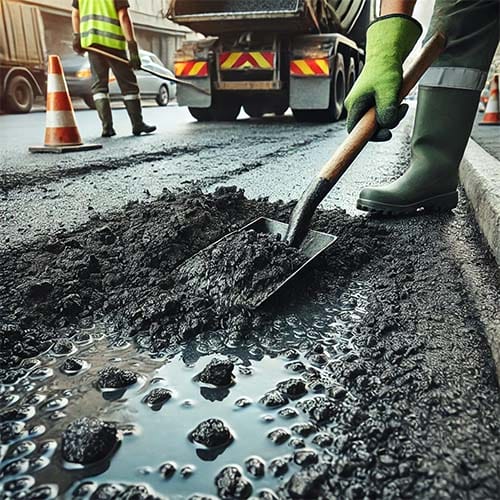
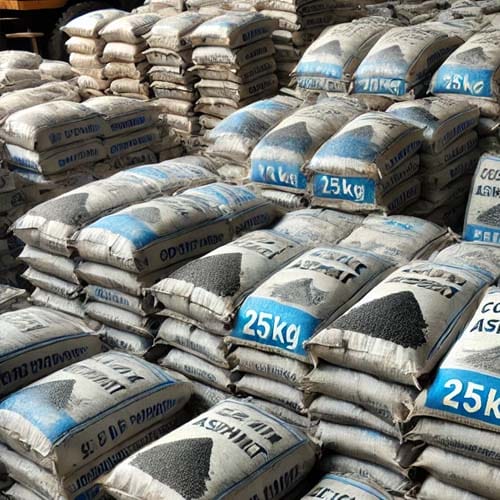
Cold mix asphalt is ideal for repair and patching jobs, particularly in areas with cooler temperatures. Unlike hot mix asphalt, cold mix can be used without heating, making it more convenient for smaller projects and on-site repairs. It’s durable, cost-effective, and easy to apply.
2. Bitumen Emulsion
Bitumen emulsion is an excellent choice for road surfacing and waterproofing applications. It is a mixture of bitumen and water, making it easier to handle than pure hot bitumen. The bitumen emulsion acts as a binder, providing a stable and long-lasting surface that can resist harsh environmental conditions.
3. Tar for Road
Tar for road surfacing is an important component of road construction, providing a smooth, strong, and weather-resistant finish. Our tar products are perfect for creating durable, long-lasting surfaces that can withstand high traffic and challenging conditions.
4. Tar Paving
Whether you are paving a driveway or a commercial parking lot, tar paving offers a solid, smooth surface. It is easy to apply, cost-effective, and highly durable, ensuring your paved surfaces last for years to come.
Benefits of Asphalt
Choosing asphalt for your paving and construction projects offers numerous benefits. Here are just a few:
1. Durability
Asphalt is known for its incredible durability. It can withstand high traffic loads, extreme weather conditions, and heavy machinery without losing its structural integrity.
2. Cost-Effective
Asphalt is one of the most affordable paving materials available, especially when considering its longevity and low maintenance requirements.
3. Eco-Friendly
Asphalt is 100% recyclable, making it an environmentally friendly option for paving and road construction. Cold mix asphalt and bitumen emulsion are particularly eco-friendly as they require less energy to produce.
4. Quick and Easy to Apply
The application of cold mix asphalt or tar for road surfaces is relatively fast, minimizing downtime for construction and enabling quicker road access.
Features of Our Asphalt Products
1. High Performance
All of our asphalt products are formulated to perform well under various conditions, whether it’s cold asphalt for temporary repairs or high-grade bitumen emulsion for long-term road construction.
2. Adaptable
Our products can be used for a wide range of applications, from small driveway repairs to large-scale road surfacing projects.
3. Sustainable
With our cold mix asphalt and bitumen emulsion, sustainability is at the core of our operations, ensuring that you make an environmentally responsible choice for your construction needs.
Frequently Asked Questions
How long does asphalt last?
Asphalt can last anywhere from 15 to 25 years, depending on the quality of the materials used, the application process, and the level of maintenance.
What is the difference between cold mix asphalt and hot mix asphalt?
Cold mix asphalt is ready to use without heating and is best for smaller projects or repairs, while hot mix asphalt is heated before application and is better suited for larger paving projects.
Can I use asphalt for driveway paving?
Yes, asphalt is an excellent choice for driveways. It provides a durable, smooth, and attractive surface that can handle the weight of vehicles and varying weather conditions.